Start with what you want to understand
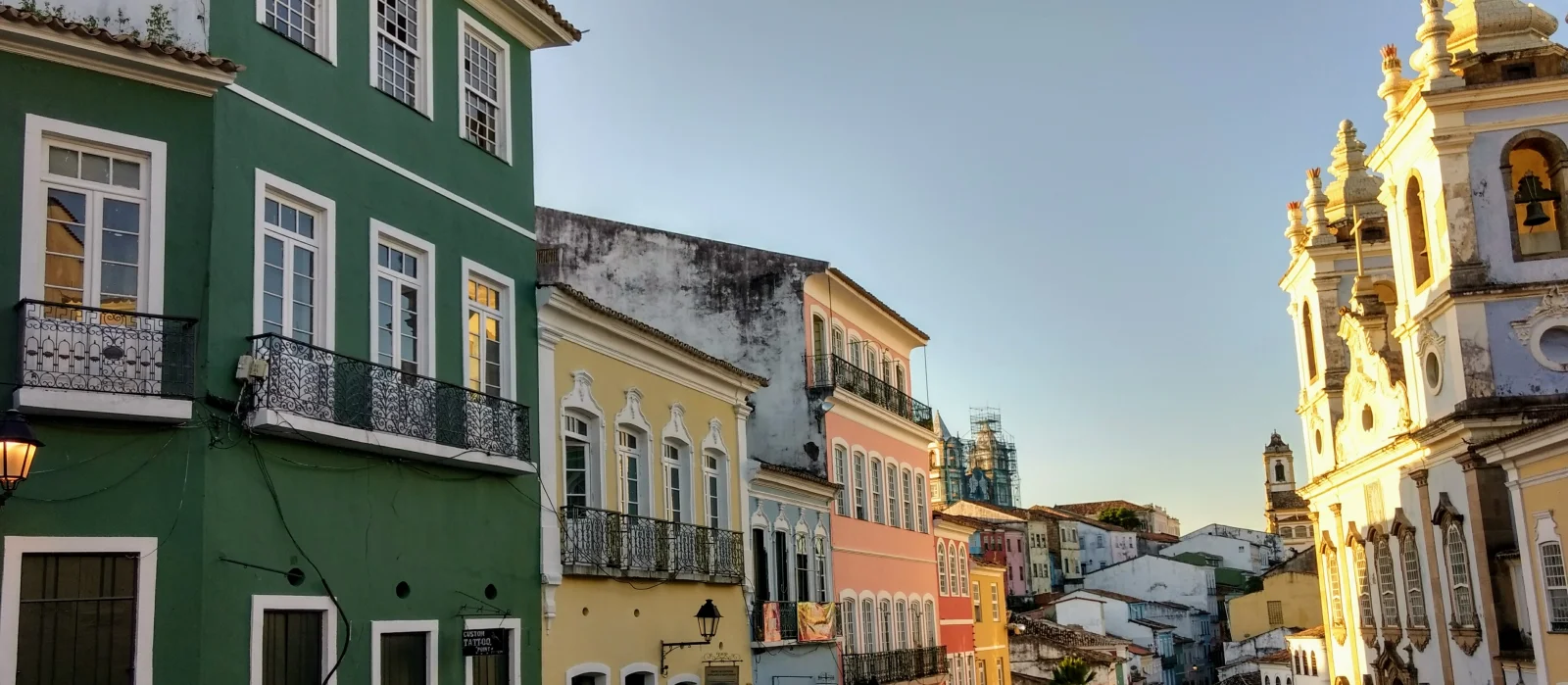
To understand how Salvador took shape, start in the Upper City squares and choose one interior or collection. The site listed by UNESCO in 1985 includes public spaces such as Terreiro de Jesus. The facades are part of a history of colonization, slavery and Afro-Brazilian cultural life that continues in the city.
Sources · UNESCO · Historic Centre of Salvador · Setur-BA · Historic Centre heritage
Read the city on two levels
Upper City · Praça Tomé de Sousa
A starting point for the squares and sloping streets. Terreiro de Jesus and Largo do Pelourinho are distinct landmarks.
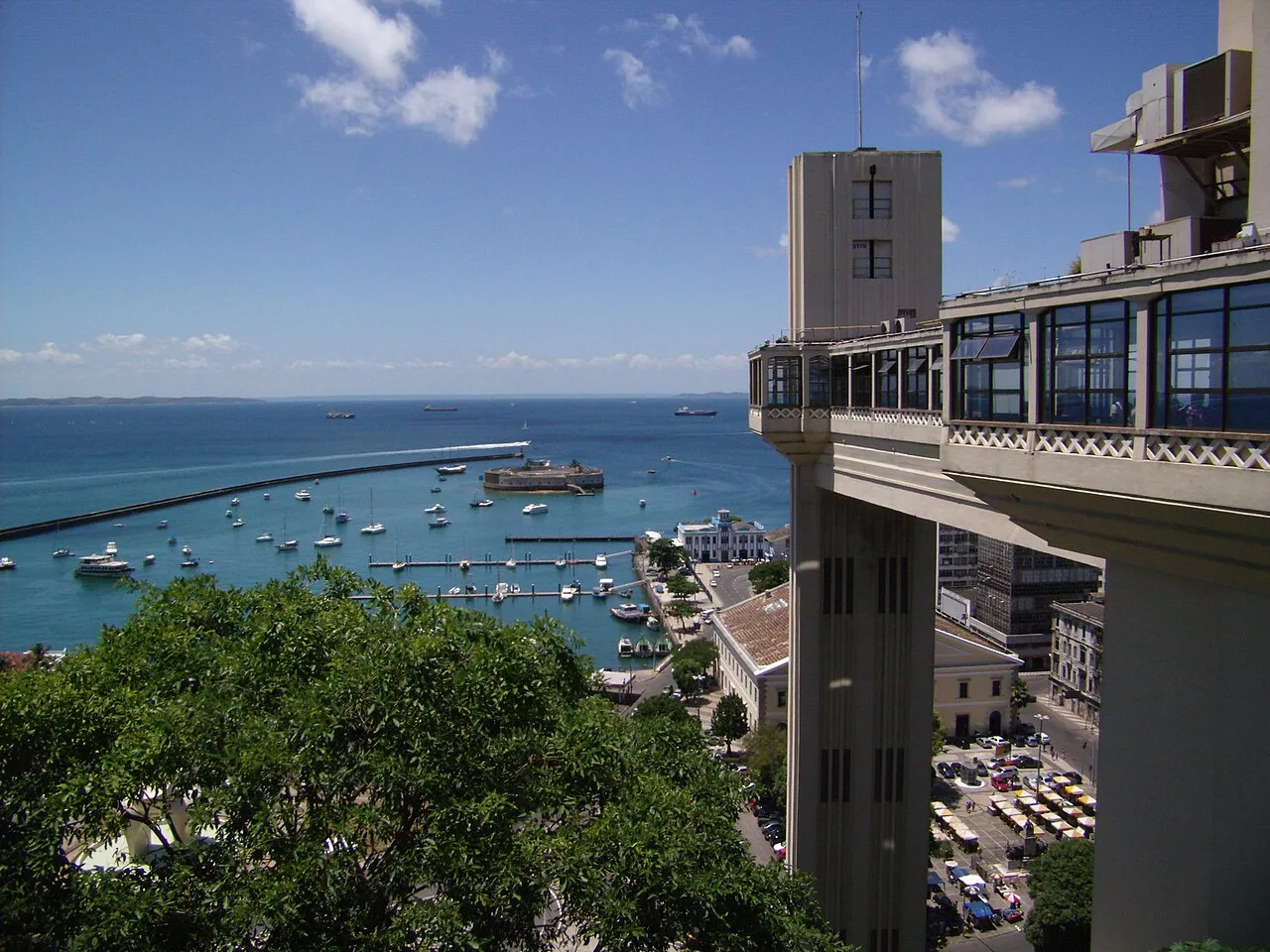
Lower City · Praça Cairu
Mercado Modelo and Comércio face the bay. Plan the descent and return as separate stages.
Sources · UNESCO · Historic Centre of Salvador · Federal Government · Salvador and its sights
Culture changes address too
In Rio Vermelho, Casa do Rio Vermelho preserves the memory of Jorge Amado and Zélia Gattai. Largo de Santana is a separate stop that places the baianas’ acarajé work in its context of knowledge, labor and religion. Decide what calls for an indoor visit and what works as a break. Check programs and follow hosts’ guidance on taking part or photographing.
Sources · City of Salvador · Casa do Rio Vermelho · City of Salvador · Rio Vermelho · Iphan · Craft of the Baianas de Acarajé
The waterfront and the bay are different choices
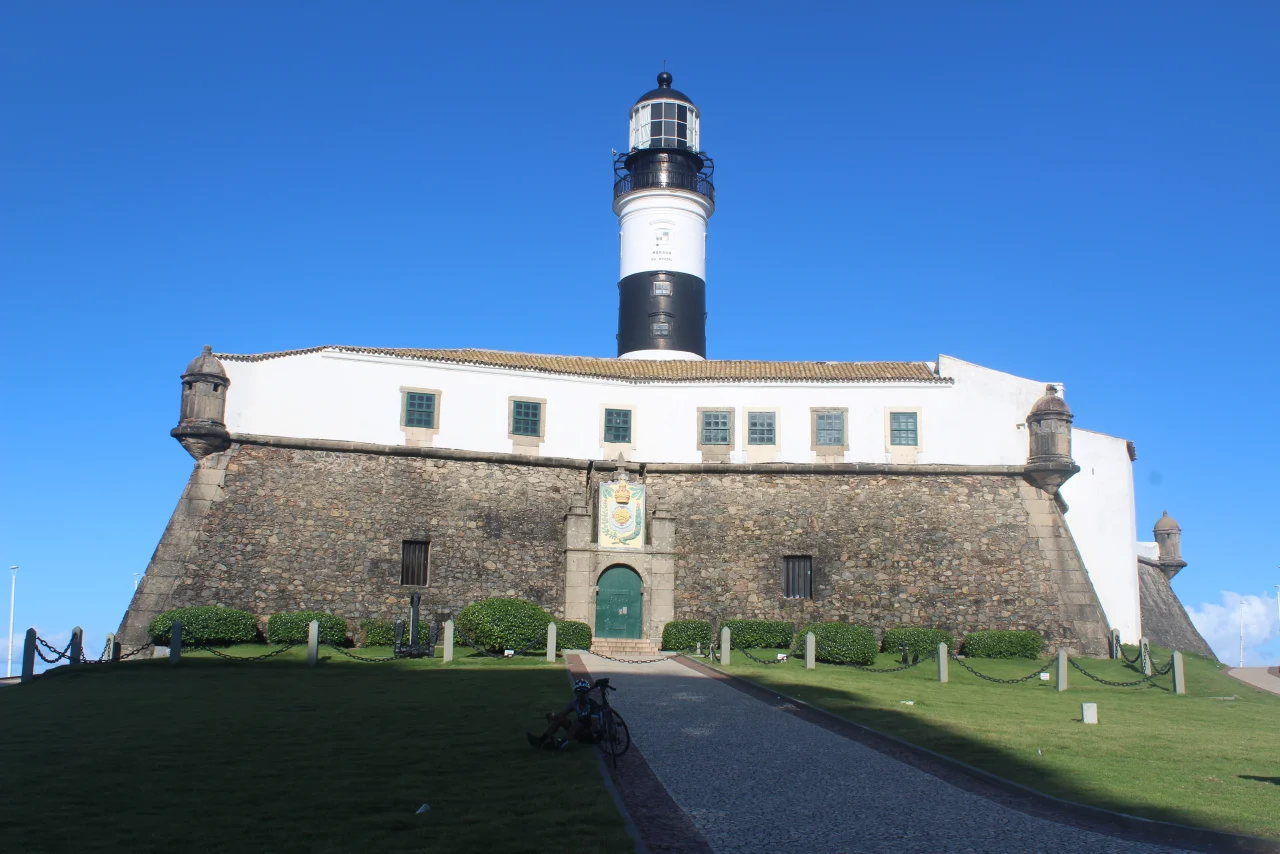
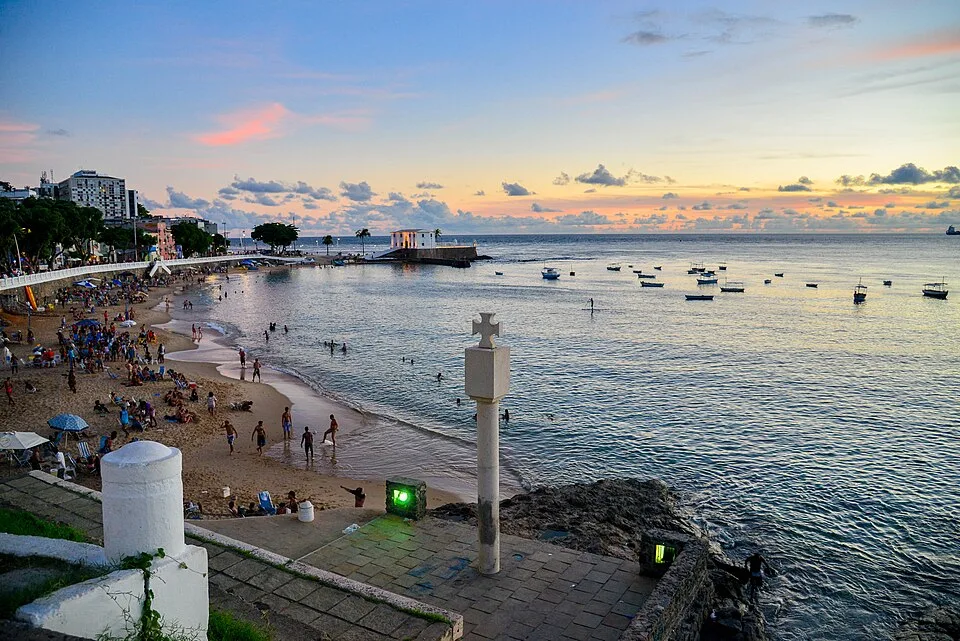
In Barra, the Maritime Museum, promenade and Porto da Barra offer different ways to experience the same waterfront. A crossing to Itaparica adds a terminal, landing point and possible land connection. Decide between the historic district and a boat excursion before looking at offers. Check water and access conditions for your date.
Sources · Ibram · Bahia Maritime Museum · City of Salvador · Porto da Barra · Iphan · Historic district of Itaparica · Seinfra-BA and AGERBA · Salvador–Mar Grande crossing